The Rise of the Phoenix Tears Syringe in Cannabis Concentrates
Anyone who has spent time around cannabis concentrates knows that the little details matter. The way a product is packaged, the material of the syringe, the consistency of the oil inside it - these things separate a good experience from a frustrating one. I have watched the market shift over the past few years, and one format that keeps gaining traction is the syringe-based delivery of cannabis oil. More specifically, the phoenix tears syringe has become a talking point among regular dabbers and those who value precision in their dosing.
When I first encountered a phoenix tears syringe, I was skeptical. It looked like any other glass syringe on the shelf, but the name hinted at something different. After using it for a few weeks, I understood the appeal. The design addresses a real problem: how do you handle a sticky, viscous cannabis concentrate without making a mess? The answer lies in the combination of a well-made glass syringe and a carefully formulated distillate. That is where the real innovation sits.
Why the Syringe Format Works for Cannabis Oil
Most cannabis concentrates come in jars or silicone containers. You use a dab tool, scrape out a portion, and transfer it to your vaporizer or dab rig. That process works, but it wastes product. Oil clings to the tool, the jar walls, and your fingers. A syringe changes that. You draw the cannabis oil directly into the barrel, push out the exact amount you need, and that is it. No scraping, no residue left behind.
The phoenix tears syringe takes this idea and refines it. The glass body allows you to see the color and clarity of the oil inside, which matters for judging quality. A dark, murky oil might indicate poor filtration or degraded cannabinoids. A clean, golden distillate suggests careful processing. I have used syringe brands that feel flimsy, with plungers that stick or leak. The ones that work best use thick borosilicate glass and a tight-fitting rubber seal. They feel solid in the hand and deliver consistent drops every time.
Understanding Delta 8 and Delta 9 Distillates
Two cannabinoids dominate the concentrate conversation: delta 8 and delta 9. Delta 9 is the classic psychoactive compound that most people associate with cannabis. It is potent and fast-acting. Delta 8, on the other hand, is milder. It produces a gentler effect that some users prefer for daytime use or for those with lower tolerance. Both appear in distillate forms, and both can be found in syringe packaging.
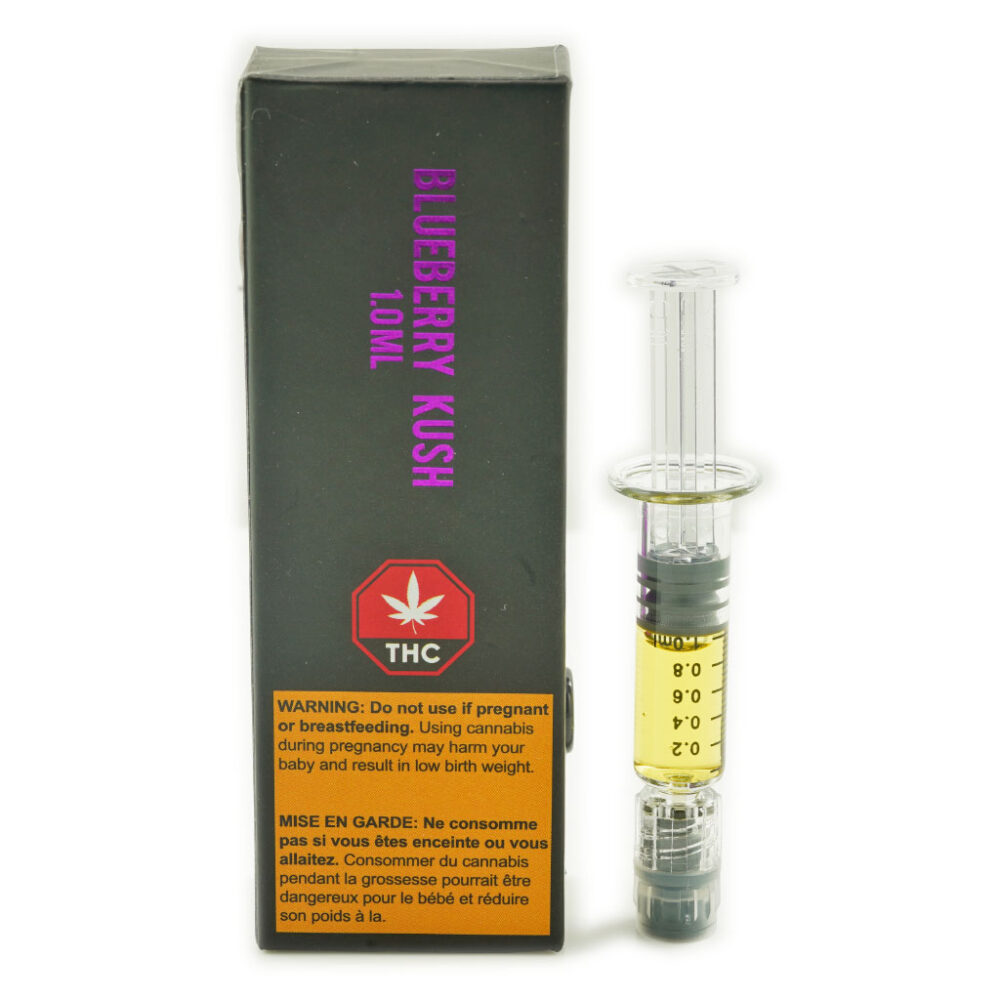
I have tried delta 8 oil from a phoenix tears syringe, and the experience was noticeably smoother than what I get from a typical delta 9 concentrate. The high came on gradually and felt more manageable. For someone who wants the therapeutic benefits without the intensity, that matters. The distillate itself was a pale amber color, with a terpene profile that leaned citrusy and floral. It paired well with a low-temperature dab in a quartz banger.
Delta 9 distillates, in contrast, hit harder and faster. They are better suited for evening use or for experienced consumers. The potency is higher, so the precision of a syringe becomes even more important. A drop too much with delta 9 can take you from comfortable to overwhelmed. With a glass syringe, you can measure to the half-drop, which gives you control you do not get from a jar and dab tool.
Full-Spectrum Extracts and Solventless Methods
The best cannabis oil I have used came from a full-spectrum extract. That means the distillate retains a wide range of cannabinoids and terpenes, not just the major ones like delta 8 or delta 9. Full-spectrum extracts offer a more rounded experience, often described as the entourage effect. The minor compounds work together to modulate the high and enhance the flavor profile.
Solventless extraction is another factor that separates premium products from bulk alternatives. Solventless methods use heat and pressure, not chemical solvents, to separate the oil from the plant material. The result is a purer concentrate with a cleaner taste. When you put a solventless, full-spectrum distillate into a phoenix tears syringe, you get a product that is both convenient and high-quality. The syringe protects the oil from light and air, preserving its terpene profile longer than a jar would.
I have sampled CBD oil from a syringe brand that uses solventless methods. The CBD oil was thick and dark, almost like honey. It did not have the psychoactive effects of delta 8 or delta 9, but it provided noticeable relaxation. The syringe made it easy to dose under the tongue or add to a vaporizer cartridge. For people who use CBD oil for chronic pain or anxiety, the convenience of a syringe cannot be overstated.
Lab-Tested Products and Trust in the Market
One concern with any cannabis concentrate is consistency. Batches can vary, and not all producers are transparent about their processes. That is why lab-tested products matter. A lab-tested distillate comes with a certificate of analysis that shows the cannabinoid content, the presence of residual solvents, and the absence of contaminants like pesticides or heavy metals. When you buy a phoenix tears syringe, you want to know that the oil inside matches what is on the label.
I have seen syringe brands that skip third-party testing, and the difference in quality is obvious. The oil might be thin and watery, or it might contain visible sediment. A reputable brand will publish their lab results or make them available on request. KushStation, for example, carries a range of syringes that include lab-tested options. That gives the buyer confidence that they are getting a genuine cannabis concentrate, not a diluted imitation.

For anyone new to dabbing, I recommend starting with a disposable syringe of delta 8 distillate. Disposable syringes are cheaper and require less maintenance. You use them until the oil runs out, then throw them away. No cleaning, no risk of cross-contamination. Once you get comfortable with the format, you can move to a refillable glass syringe and explore different terpene profiles and potencies.
Practical Tips for Using a Syringe
Using a phoenix tears syringe is straightforward, but a few tips can improve the experience:
- Warm the syringe slightly before use. Hold it in your hand for a minute or run it under warm water. This thins the oil and makes it easier to draw.
- Store the syringe upright with the tip up. This prevents oil from leaking into the cap and creating a sticky mess.
- If the plunger sticks, apply a tiny drop of food-grade silicone oil to the rubber seal. Do not use vegetable oil or anything that could contaminate the distillate.
- For precise dosing, mark the barrel with a fine-tip marker. Draw a line at the dose that works for you and refill to that line each time.
These small habits make a big difference. I have ruined a few syringes by forcing a stuck plunger, and I have wasted good oil by storing the syringe incorrectly. Learn from my mistakes and treat the syringe like the precision tool it is.
The Role of Cartridges and Vaporizers
Not everyone wants to dab directly from a rig. Cartridges and vaporizers offer a more portable option. You can fill a cartridge with cannabis oil from a syringe and use it with a standard vape pen. The key is matching the oil viscosity to the cartridge. Thick distillates need a cartridge with a larger wick or a ceramic coil. Thin oils work fine with standard cotton wicks.
I have used a phoenix tears syringe to fill a refillable cartridge for my vaporizer. The process was clean and fast. I inserted the syringe tip into the cartridge opening, pushed the plunger gently, and filled it without spilling a drop. Compare that to trying to pour oil from a jar into a tiny cartridge hole. The syringe wins every time.
The flavor profile of the distillate matters more in a vaporizer than in a dab rig, because the lower temperature preserves more terpenes. A well-made distillate from a full-spectrum extract will taste fruity, herbal, or piney depending on the strain. A poorly made one will taste burnt or chemical. The syringe helps preserve that flavor by keeping the oil sealed until you use it.
Final Thoughts on Syringe Quality
The phoenix tears syringe is not just a gimmick. It is a practical solution for anyone who uses cannabis concentrates regularly. The combination of a glass syringe body, a high-quality distillate, and careful handling gives you a product that is easy to dose, easy to store, and easy to enjoy. Whether you prefer delta 8 for its mildness or delta 9 for its potency, the syringe format makes the experience better.
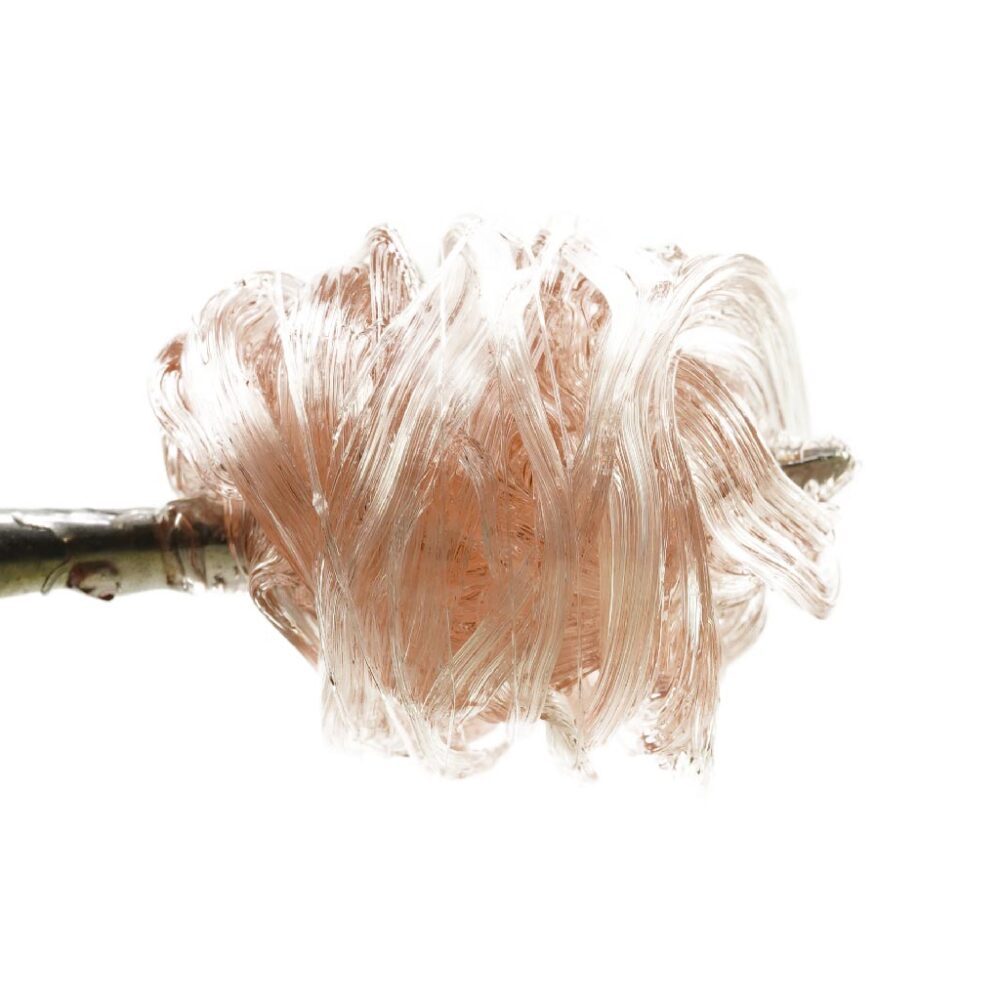
I have tried disposable syringes, refillable glass syringes, and a few other syringe brands. The ones that stand out use thick glass, smooth plungers, and consistent seals. They do not leak, they do not stick, and they last through multiple refills. That kind of build quality matters when you are spending money on lab-tested cannabis oil.
If you are shopping for concentrates, look for a syringe that clearly states the cannabinoid content and the extraction method. A solventless, full-spectrum distillate in a glass syringe is about as good as it gets. KushStation carries several options that fit that description, and their product pages list the details you need to make an informed choice. Take your time, read the descriptions, and pick the syringe that matches your tolerance and your flavor preferences.
The cannabis concentrate market keeps evolving, but the phoenix tears syringe has earned its place. It combines convenience with quality, and it solves a problem that every dabber has faced. That is why I keep coming back to it.